


Access to clean, reliable, and uninterrupted cooking fuel has become increasingly important for modern households. Piped Natural Gas (PNG) is rapidly replacing traditional LPG cylinders in many Indian cities because it offers convenience, safety, and continuous supply directly through underground pipelines.
If you have been searching for “how can I get a new gas pipeline connection? what should I do to make the process easier?”, this guide explains everything you need to know, including eligibility, required documents, application steps, timelines, and practical tips to speed up the process.
Quick Answer
To get a new gas pipeline connection in India:
- Identify the authorized City Gas Distribution (CGD) company for your area.
- Check PNG availability at your address or pin code.
- Apply online or visit the nearest customer service center.
- Submit identity proof, address proof, and property documents.
- Pay the security deposit and registration fee.
- Complete the site inspection process.
- Schedule installation and meter activation.
In areas where pipeline infrastructure is already available, the entire process can often be completed within 7 to 20 working days.
What Is a Gas Pipeline Connection (PNG)?
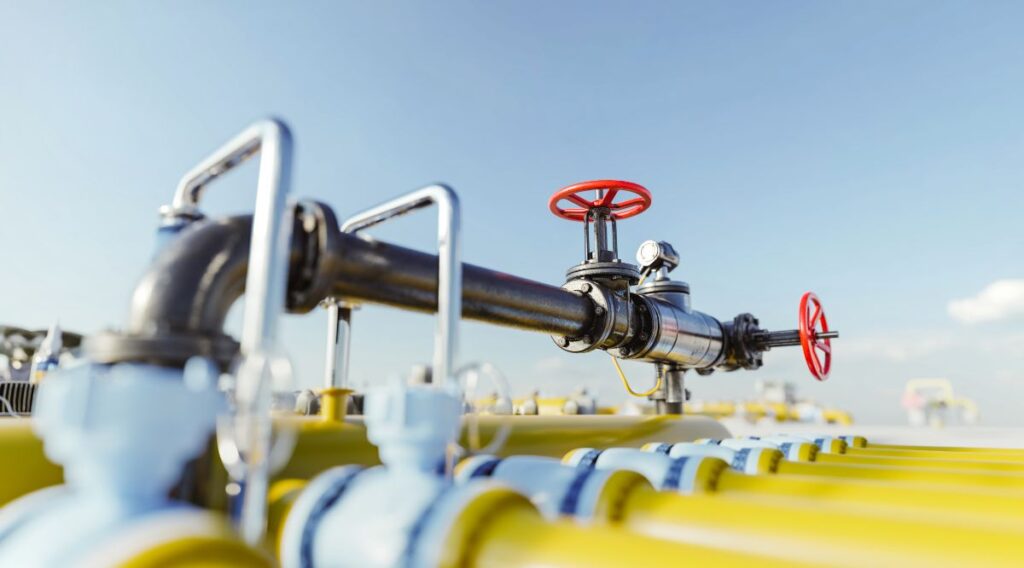
A Piped Natural Gas (PNG) connection supplies natural gas directly to homes through underground pipelines maintained by authorized gas distribution companies.
Unlike LPG cylinders, PNG offers:
- Continuous gas supply without refills
- Meter-based billing similar to electricity
- Lower maintenance requirements
- Reduced storage risks
- Environment-friendly fuel with lower emissions
Natural gas supplied through pipelines is delivered at regulated pressure levels suitable for residential cooking appliances.
PNG vs LPG: Which Is Better?
| Feature | PNG Connection | LPG Cylinder |
|---|---|---|
| Supply | Continuous 24/7 | Requires refill booking |
| Storage | No cylinder storage needed | Requires cylinder storage |
| Billing | Meter-based | Per cylinder purchase |
| Convenience | Always available | Can run out unexpectedly |
| Safety | Gas disperses quickly | Gas may accumulate in enclosed spaces |
| Environmental Impact | Lower emissions | Higher emissions |
For many households, PNG provides a more convenient long-term solution.
Who Can Apply for a New Gas Pipeline Connection?
A new gas pipeline connection can usually be obtained by:
- Homeowners
- Tenants with valid rental agreements
- Apartment owners
- Housing societies
- Commercial establishments
- Restaurants and offices
- Industrial units
The primary requirement is that the gas pipeline network must be available in your locality.
If pipelines have not yet reached your area, you can register your interest with the local gas provider for future expansion projects.
Step-by-Step Process to Get a New Gas Pipeline Connection
1. Identify Your Local Gas Distribution Company
Each city or region is served by an authorized City Gas Distribution company approved by the Petroleum and Natural Gas Regulatory Board (PNGRB).
| CGD Company | Coverage Area |
| Indraprastha Gas Limited (IGL) | Delhi, NCR |
| Mahanagar Gas Limited (MGL) | Mumbai and surrounding areas |
| Gujarat Gas Limited | Ahmedabad, Surat, Vadodara and Gujarat cities |
| Adani Total Gas | Multiple cities across India |
| GAIL Gas / Indian Oil CGD | Pan-India in select cities |
| Torrent Gas | Pune, Gujarat, Rajasthan |
| Sabarmati Gas | Gandhinagar region, Gujarat |
You can check the authorized provider for your city through the PNGRB website or local customer support centers.
2. Check PNG Availability in Your Area
Before applying, verify whether pipeline infrastructure already exists in your locality.
You can check availability by:
- Visiting the provider’s official website
- Calling customer support
- Asking your housing society management
- Checking with neighbors who already use PNG
If the service is unavailable, many providers allow customers to register interest for future expansion.
3. Apply for a New Connection
Most providers now offer online registration.
Typical information required includes:
- Applicant name
- Mobile number
- Email address
- Installation address
- Type of connection
- Property ownership details
Online applications generally move faster because they create a digital application record and tracking number.
4. Submit Required Documents
Applicants are usually required to provide:
-
Document Type Accepted Proofs / Documents Identity Proof Aadhaar Card (mandatory for most CGD companies), Passport, Voter ID Card, PAN Card Address Proof Aadhaar Card, Electricity Bill, Water Bill, Passport, Driving Licence Property Proof (For Homeowners) Sale Deed, Property Tax Receipt, Electricity Bill in the Applicant’s Name Tenancy Proof (For Tenants) Registered or Notarised Rent Agreement along with Landlord’s No Objection Certificate (NOC) Passport-size Photograph Recent colour passport-size photograph (scanned copy for online applications) Existing Gas Connection Details LPG Consumer Number or LPG Consumer ID (if surrendering LPG connection during PNG migration)
Pro Tip:
Before starting your application, keep all documents scanned in PDF, JPG, or JPEG format and ensure they are clearly visible and up to date. Incomplete or blurry document uploads are among the most common reasons for delays in new gas pipeline connection approvals.
5. Pay Security Deposit and Registration Charges
Most companies collect:
| Charge Type | Typical Amount |
|---|---|
| Security Deposit | ₹5,000 to ₹10,000 |
| Registration Fee | ₹0 to ₹750 |
| Meter Security | Varies by provider |
The security deposit is generally refundable when the connection is surrendered according to company policies.
6. Technical Inspection and Feasibility Check
After document verification, technicians visit your property to inspect:
- Pipeline accessibility
- Meter installation location
- Safety compliance
- Internal pipeline routing
- Ventilation conditions
If installation is technically feasible, approval is granted for connection work.
7. Pipeline Installation and Meter Setup
After approval:
- Service pipeline is connected from the main network.
- Gas meter is installed.
- Internal pipeline work is completed.
- Pressure testing is performed.
- Gas supply is activated.
Technicians also explain safety procedures and basic operation guidelines.
How Long Does It Take to Get a Gas Pipeline Connection?
| Scenario | Estimated Timeline |
|---|---|
| Building already connected | 7–15 working days |
| Street pipeline available | 15–30 working days |
| New infrastructure required | 2–6 months |
| Society already approved | Often within a few days |
Under the latest 2026 regulations, local authorities are required to grant Right of Way (RoW) permissions to authorized gas companies within prescribed timelines to avoid unnecessary delays in infrastructure deployment.
For residential complexes and apartment societies, housing societies or Resident Welfare Associations (RWAs) are expected to provide pipeline access permissions within three working days of receiving the request. Once approval is provided and installation is technically feasible, gas companies are expected to complete the final household connection within 48 hours.
What Should I Do to Make the Process Easier?
Many applicants experience delays because of avoidable mistakes.
Apply Online
Online applications are processed faster and generate immediate reference numbers.
Keep Documents Ready
Prepare scanned copies of:
- Aadhaar Card
- Address proof
- Property papers
- Rental agreement
- Photographs
Incomplete documentation is one of the biggest causes of delays.
Coordinate With Your Housing Society
When multiple residents apply together, gas companies often prioritize installation work in that locality.
This approach is common in apartment complexes and gated communities.
Stay Available for Inspection
Technicians usually call before visiting.
Missing inspection appointments may delay installation by several days or weeks.
Decide Meter Location Early
Choose a suitable meter location in advance so installation teams can complete the work quickly.
Use Official Communication Channels
Only use official websites, customer care numbers, and authorized representatives.
Customers should avoid making payments through unofficial channels or responding to suspicious messages.
Benefits of Getting a Gas Pipeline Connection
Continuous Supply
PNG provides an uninterrupted gas supply through pipelines, eliminating the need for refill bookings or waiting for LPG cylinder deliveries.
Convenience
Gas is available whenever needed, making cooking easier and removing the hassle of handling heavy cylinders.
Improved Safety
Natural gas is lighter than air and disperses quickly, reducing the risk of gas accumulation indoors.
Cost Efficiency
Consumers pay only for the gas they use through meter-based billing, helping manage household expenses better.
Eco-Friendly Energy
PNG burns cleaner than many conventional fuels and produces lower emissions, supporting environmental sustainability.
Common Challenges During the Application Process
Pipeline Infrastructure Not Available
Some areas may not yet have PNG coverage, requiring applicants to wait for future network expansion.
Missing Documentation
Incomplete or incorrect documents can delay verification and approval of the gas connection application.
Delayed Inspections
High demand or scheduling issues may sometimes postpone technical inspections and installation appointments.
Housing Society Permission Delays
Apartment residents may experience delays if housing society approvals are not provided promptly.
High Demand in Newly Covered Areas
Newly developed PNG zones often receive many applications, which can increase processing timelines temporarily.
Frequently Asked Questions
How can I get a new gas pipeline connection quickly?
Applying online, submitting complete documents, and responding quickly to inspection requests can significantly reduce processing time.
Can tenants apply for a gas pipeline connection?
Yes. Tenants usually need a valid rental agreement and landlord approval.
Is the security deposit refundable?
In most cases, yes. The deposit is generally refunded when the connection is permanently disconnected, subject to company policies.
What appliances can use PNG?
PNG can operate:
- Kitchen stoves
- Gas geysers
- Commercial cooking equipment
- Heating systems
What should I do if PNG is not available in my area?
You can register your interest with the gas provider. Areas with higher customer demand often receive priority for future expansion.
Conclusion
Getting a new gas pipeline (PNG) connection is a simple process that offers long-term convenience, safety, and cost savings for households and businesses. By applying through official channels, keeping your documents ready, and coordinating with your housing society or property owner, you can avoid unnecessary delays and make the installation process much smoother.
As more Indian cities expand their natural gas infrastructure, PNG is quickly becoming the preferred alternative to traditional LPG cylinders. Understanding how can I get a new gas pipeline connection? what should I do to make the process easier? helps you prepare in advance and enjoy a reliable, uninterrupted, and environmentally friendly gas supply for years to come.










Discussion about this post