

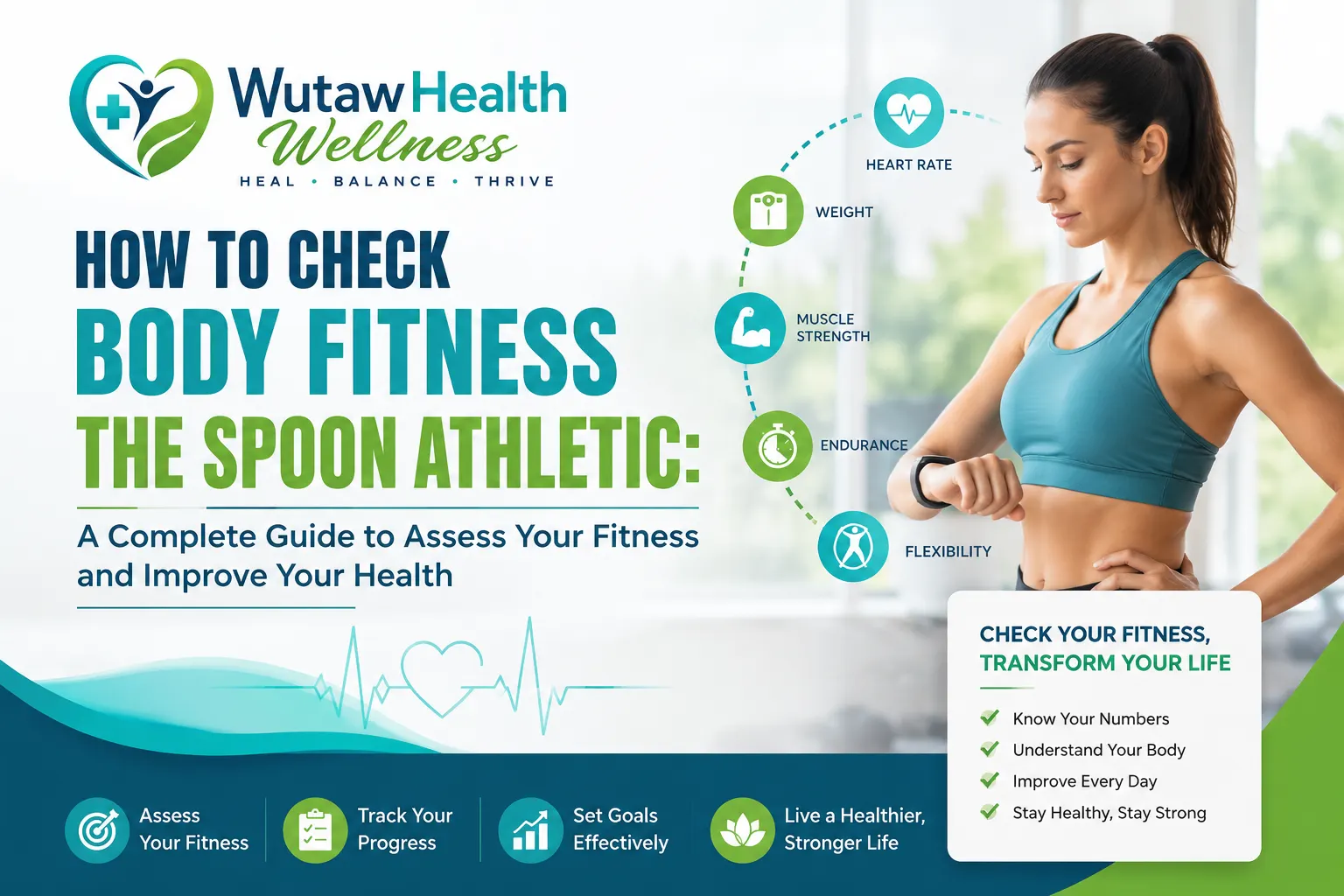
Understanding Body Fitness the Right Way
Checking your body fitness is not only about looking slim or lifting heavy weights. True fitness includes strength, endurance, mobility, flexibility, recovery, and overall physical health. TheTheSpoonAthletic approach focuses on measuring complete body performance instead of relying on appearance alone.
Many people assume they are fit simply because they exercise occasionally. However, real fitness can only be measured by testing how efficiently your body performs during physical activity and recovery. This guide explains how to check body fitness using practical and science-based methods.
Whether you are a beginner, athlete, or someone restarting a fitness journey, understanding your current fitness level helps you create better goals and track meaningful progress.
Trending Now: Body Nutrition Tips TwspoonFitness
Why Checking Body Fitness Matters
Knowing your fitness level helps you:
- Set realistic goals
- Track improvement over time
- Prevent injuries
- Improve athletic performance
- Build better workout plans
- Monitor overall health
Without assessing your body fitness, you may train too hard, recover poorly, or waste time using ineffective workout methods.
TheSpoonAthletic fitness philosophy encourages smart training backed by measurable progress and recovery awareness.
Health Facts: What Disease Does Dwight Yoakam Have
Key Areas to Measure Body Fitness
Cardiovascular Endurance
Cardiovascular endurance measures how efficiently your heart and lungs deliver oxygen during exercise.
Common Signs of Good Cardio Fitness
- Faster recovery after exercise
- Lower resting heart rate
- Better stamina during workouts
- Reduced fatigue during daily activities
Deep Dive: ThespoonAthletic Fitness Tips
Simple Cardio Fitness Tests
1. Walking or Running Test
Walk or run for 12 minutes and measure the distance covered.
General fitness standards:
| Fitness Level | Men Distance | Women Distance |
|---|---|---|
| Excellent | 2.5+ km | 2.2+ km |
| Good | 2.0–2.4 km | 1.8–2.1 km |
| Average | 1.6–1.9 km | 1.5–1.7 km |
| Poor | Below 1.6 km | Below 1.5 km |
2. Resting Heart Rate Check
Measure your resting heart rate in the morning before getting out of bed.
| Fitness Level | Resting Heart Rate |
|---|---|
| Athlete | 40–60 BPM |
| Good Fitness | 60–70 BPM |
| Average | 70–80 BPM |
| Low Fitness | Above 80 BPM |
Lower resting heart rates often indicate better cardiovascular conditioning.
Fitness Insight: ThespoonAthletic
Strength Assessment
Strength is a major indicator of overall body fitness. TheSpoonAthletic recommends checking both upper-body and lower-body strength levels.
Push-Up Test
Push-ups measure upper-body endurance and core stability.
| Fitness Level | Men | Women |
|---|---|---|
| Excellent | 40+ | 30+ |
| Good | 25–39 | 20–29 |
| Average | 15–24 | 10–19 |
| Poor | Below 15 | Below 10 |
Maintain proper form throughout the test for accurate results.
Health Alert: How Painful Is Kialodenzydaisis
Squat Assessment
Squats help evaluate lower-body strength, balance, and mobility.
Signs of Good Squat Mobility
- Heels stay on the floor
- Knees track naturally
- Chest stays upright
- No lower back pain
Poor squat mechanics may indicate:
- Weak core muscles
- Tight hips
- Limited ankle mobility
- Poor balance
Flexibility and Mobility Testing
Flexibility allows muscles to stretch properly, while mobility measures how joints move through a full range of motion.
Sit-and-Reach Test
This simple test measures hamstring and lower back flexibility.
| Fitness Level | Distance Reached |
|---|---|
| Excellent | 10+ inches |
| Good | 6–9 inches |
| Average | 2–5 inches |
| Poor | Below 2 inches |
Limited flexibility increases injury risk and reduces movement quality.
Expert Review: How Are Laturedrianeuro Caused
Body Composition Check
Body composition measures the ratio of:
- Muscle mass
- Body fat
- Bone density
- Water weight
This gives a better fitness picture than body weight alone.
Healthy Body Fat Percentage
| Category | Men | Women |
|---|---|---|
| Athletic | 6–13% | 14–20% |
| Fit | 14–17% | 21–24% |
| Average | 18–24% | 25–31% |
| Obese | 25%+ | 32%+ |
TheSpoonAthletic recommends focusing on body composition instead of obsessing over scale weight.
Medical Insight: What Is Zytescintizivad
Balance and Coordination Tests
Balance plays an important role in athletic performance and injury prevention.
Single-Leg Balance Test
Stand on one leg and measure how long you can maintain stability.
| Fitness Level | Time |
|---|---|
| Excellent | 60+ Seconds |
| Good | 40–59 Seconds |
| Average | 20–39 Seconds |
| Poor | Below 20 Seconds |
Good balance reflects strong stabilizer muscles and nervous system coordination.
Research Topic: Why Zytescintizivad Spread
Recovery and Energy Levels
Fitness is not only about training hard. Recovery quality is equally important.
Signs of Good Recovery
- Stable energy throughout the day
- Minimal soreness after workouts
- Good sleep quality
- Consistent workout performance
- Healthy appetite
Signs of Poor Recovery
- Constant fatigue
- Trouble sleeping
- Joint pain
- Reduced workout performance
- Frequent soreness
TheSpoonAthletic emphasizes recovery as a key part of long-term fitness success.
Wellness Tip: WutawHealth Wellness Advice
Daily Habits That Improve Body Fitness
Prioritize Quality Sleep
Sleep is essential for muscle repair, hormone balance, and recovery.
Aim for:
- 7–9 hours of sleep nightly
- Consistent sleep schedules
- Limited screen exposure before bed
Stay Properly Hydrated
Hydration improves:
- Workout performance
- Muscle recovery
- Energy levels
- Mental focus
Drink water consistently throughout the day instead of only during workouts.
Healthy Living: WutawHealth Wellness Information
Follow a Balanced Nutrition Plan
Your nutrition should include:
- Lean protein
- Healthy fats
- Complex carbohydrates
- Fruits and vegetables
Avoid heavily processed foods that reduce recovery and energy.
How Often Should You Check Body Fitness?
TheSpoonAthletic recommends reassessing your body fitness every 4–6 weeks.
Track progress using:
- Strength improvements
- Body measurements
- Cardio endurance
- Recovery quality
- Progress photos
- Mobility improvements
Small improvements over time indicate successful long-term fitness progress.
Lifestyle Upgrade: WutawHealth
Common Mistakes When Checking Fitness
Focusing Only on Weight
Scale weight alone does not show:
- Muscle growth
- Fat loss
- Athletic improvement
- Recovery quality
Always combine weight tracking with performance measurements.
Comparing Yourself to Others
Fitness progress is personal. Everyone starts from different fitness levels, genetics, and recovery capacity.
Focus on improving your own performance consistently.
Ignoring Recovery Signals
Poor recovery often leads to:
- Overtraining
- Injury risk
- Fatigue
- Slower progress
Listen to your body and schedule proper recovery days.
Daily Wellness: The Tips And Tricks WutawHealth
TheSpoonAthletic Beginner Fitness Check Routine
Day 1: Cardio Test
- 12-minute walk or run
- Resting heart rate measurement
Day 2: Strength Assessment
- Push-up test
- Squat evaluation
- Core plank hold
Day 3: Mobility and Recovery
- Sit-and-reach test
- Balance test
- Sleep and energy evaluation
Repeat these tests monthly to monitor your progress accurately.
Mindset Boost: Mental Health Quotes
Final Thoughts on How to Check Body Fitness
Understanding how to check body fitness helps you train smarter and achieve better long-term results. TheSpoonAthletic approach focuses on total-body performance, recovery, and sustainable progress instead of quick fixes.
Real fitness is built through:
- Consistent training
- Proper recovery
- Smart nutrition
- Mobility work
- Performance tracking
Start by testing your current fitness honestly, improve one area at a time, and stay consistent with your habits.
Small improvements repeated daily lead to major transformation over time.
Positive Thinking: Mental Health Quotes
Frequently Asked Questions
How can I check my body fitness at home?
You can test body fitness at home using push-ups, squats, walking tests, flexibility checks, and resting heart rate measurements.
What is the best indicator of body fitness?
There is no single indicator. Strength, endurance, mobility, recovery, and body composition together provide the most accurate picture.
How often should I measure my fitness progress?
Most people should reassess their fitness every four to six weeks for accurate progress tracking.
Can body weight alone measure fitness?
No. Body weight does not show muscle mass, athletic performance, or overall health improvements.
Skincare Pick: Amaira Natural Lightening Serum Reviews
Why is recovery important for body fitness?
Recovery helps muscles repair, reduces fatigue, improves performance, and prevents injuries.
What is a healthy resting heart rate?
For most adults, a healthy resting heart rate ranges between 60–70 beats per minute.
Are flexibility tests important?
Yes. Good flexibility and mobility improve movement quality and reduce injury risk.
How long does it take to improve body fitness?
Most people notice better energy and strength within 4–6 weeks of consistent training and recovery.
Product Review: Cilxarhu677 Moisturizer Product Review