

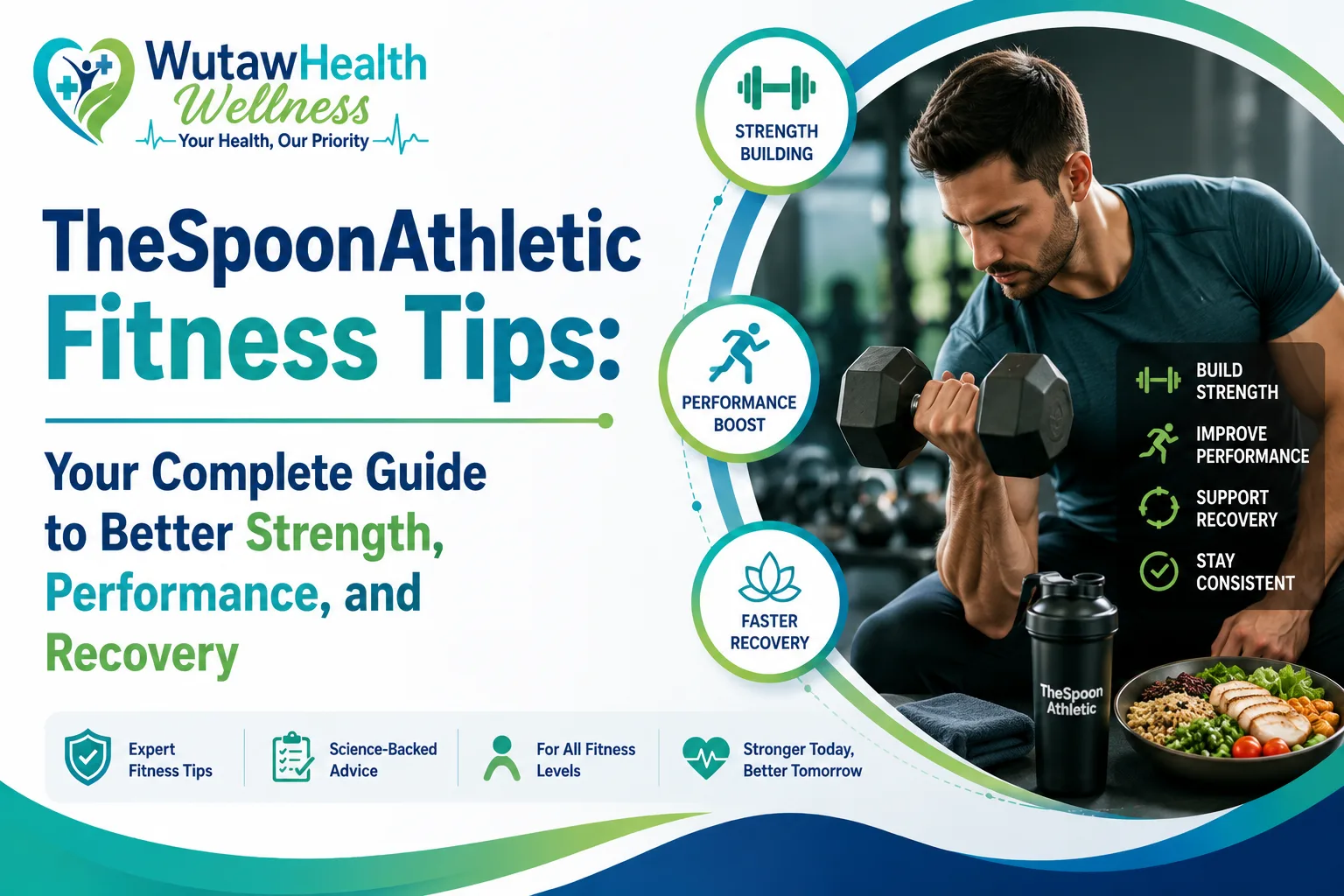
Understanding the TheSpoonAthletic Fitness Philosophy
TheSpoonAthletic fitness approach focuses on building long-term strength, endurance, mobility, and recovery through smart and sustainable training methods. Instead of promoting extreme workouts that often cause burnout or injuries, this system encourages balanced progress with consistency and discipline.
The foundation of this fitness philosophy is built on three essential principles:
- Progressive overload
- Functional training
- Strategic recovery
Rather than treating the body as separate muscle groups, TheSpoonAthletic views fitness as a complete performance system. This method improves athletic ability, daily movement, energy levels, and overall physical health.
Whether you are a beginner, intermediate trainee, or experienced athlete, these fitness tips can help improve your training results safely and effectively.
Trending Now: Body Nutrition Tips TwspoonFitness
Core Training Principles for Better Results
Focus on Progressive Overload
Progressive overload is one of the most important principles in strength and fitness training. Your body only adapts when it is challenged beyond its current capacity.
You can apply progressive overload by gradually increasing:
- Training weight
- Repetitions
- Workout volume
- Training intensity
Small weekly improvements of 2–5% are usually enough to stimulate muscle growth and strength gains without increasing injury risk.
Consistency matters more than extreme intensity. Slow and steady progress delivers better long-term results than aggressive training programs that lead to fatigue or burnout.
Next Topic: How To Check Body Fitness ThespoonAthletic
Prioritize Compound Exercises
Compound movements train multiple muscle groups at the same time, making them highly effective for strength, muscle development, and athletic performance.
The most effective compound exercises include:
- Squats
- Deadlifts
- Bench presses
- Pull-ups
- Rows
- Overhead presses
These exercises improve:
- Functional strength
- Hormonal response
- Calorie burn
- Athletic coordination
Isolation exercises can still support muscle development, but they should complement compound lifts rather than replace them.
For most athletes, 70–80% of training should focus on multi-joint exercises.
Deep Dive: ThespoonAthletic Fitness Tips
TheSpoonAthletic Weekly Workout Split
| Day | Training Focus | Main Exercises | Duration |
|---|---|---|---|
| Monday | Lower Body Strength | Squats, Lunges, Leg Press | 60 Minutes |
| Tuesday | Upper Push | Bench Press, Shoulder Press, Triceps | 50 Minutes |
| Wednesday | Active Recovery | Walking, Yoga, Swimming | 30 Minutes |
| Thursday | Lower Body Power | Deadlifts, Sprints, Box Jumps | 55 Minutes |
| Friday | Upper Pull | Pull-Ups, Rows, Biceps | 50 Minutes |
| Saturday | Conditioning | HIIT or Sports Training | 40 Minutes |
| Sunday | Rest Day | Stretching and Mobility | 20 Minutes |
This balanced workout structure supports muscle recovery while maintaining optimal training frequency throughout the week.
Fitness Insight: ThespoonAthletic
Nutrition Tips for Athletic Performance
Smart Macronutrient Timing
Nutrition plays a major role in fitness performance, muscle growth, and recovery.
Pre-Workout Nutrition
Before training, eat a meal containing:
- Easy-to-digest carbohydrates
- Moderate protein
- Low unhealthy fats
Good pre-workout meal ideas include:
- Oatmeal with berries
- Banana with peanut butter
- Greek yogurt with fruit
Consume your meal around 1–2 hours before training.
Health Alert: How Painful Is Kialodenzydaisis
PostWorkout Recovery Nutrition
After exercise, your body needs nutrients for muscle recovery and glycogen replenishment.
A combination of carbohydrates and protein within 30–60 minutes after training supports faster recovery.
Effective post-workout meals include:
- Protein smoothie with fruit
- Chicken with rice
- Chocolate milk
- Eggs with toast
Most active individuals perform well with:
- 45–55% carbohydrates
- 25–30% protein
- 20–30% healthy fats
Adjust intake depending on training goals and activity levels.
Expert Review: How Are Laturedrianeuro Caused
Hydration Strategies for Athletes
Hydration is essential for strength, endurance, focus, and recovery.
Instead of only following the “8 glasses of water” rule, athletes should monitor hydration based on body weight and activity level.
Daily Hydration Guidelines
- Drink approximately half your body weight in ounces of water daily
- Replace electrolytes during workouts lasting longer than 60 minutes
- Focus on sodium, potassium, and magnesium intake
Pale yellow urine is usually a good sign of proper hydration.
Medical Insight: What Is Zytescintizivad
Recovery: The Most Overlooked Fitness Tool
Improve Sleep Quality
Sleep is where most physical recovery occurs. During deep sleep, the body repairs muscle tissue and releases growth hormone.
Most athletes should aim for:
- 7–9 hours of sleep per night
- 8–10 hours during intense training phases
Tips to Improve Sleep
- Maintain consistent sleep schedules
- Keep the bedroom cool and dark
- Avoid screens before bedtime
- Reduce caffeine intake late in the day
Poor sleep negatively affects strength, energy, recovery, and performance.
Research Topic: Why Zytescintizivad Spread
Active Recovery Methods
Active recovery helps improve blood circulation and reduce muscle soreness without creating additional stress.
Examples include:
- Walking
- Light cycling
- Yoga
- Swimming
- Mobility work
A proper active recovery session should leave you feeling refreshed instead of exhausted.
Wellness Tip: WutawHealth Wellness Advice
Injury Prevention Tips
| Risk Factor | Prevention Method | Frequency |
|---|---|---|
| Muscle Imbalances | Unilateral Exercises | 2–3 Times Weekly |
| Poor Mobility | Dynamic Stretching | Every Workout |
| Overtraining | Deload Weeks | Every 4–6 Weeks |
| Weak Core | Planks and Stability Work | 3–4 Times Weekly |
| Inadequate Warm-Up | Movement Preparation | Every Session |
Never skip your warm-up routine. Spending even 10 minutes preparing the body can significantly reduce injury risk.
Strength Training by Experience Level
Beginner Training Phase
Beginners should focus on learning proper movement mechanics before lifting heavy weights.
Key goals include:
- Mastering squat and hinge patterns
- Building mobility
- Developing consistency
Train 3 days weekly with full rest days between sessions.
Healthy Living: WutawHealth Wellness Information
Intermediate Training Phase
Intermediate athletes can increase intensity and training volume while introducing more advanced exercises.
Focus on:
- Barbell training
- Progressive overload tracking
- Increased weekly volume
Training frequency can increase to 4–5 sessions weekly.
Advanced Training Phase
Advanced athletes benefit from structured periodization training.
Training phases may include:
- Strength cycles
- Hypertrophy phases
- Power development
- Deload weeks
This method improves long-term athletic progression while reducing overtraining risk.
Lifestyle Upgrade: WutawHealth
Cardiovascular Training for Performance
Understanding Heart Rate Zones
Cardio intensity should vary depending on training goals.
Zone 2 Cardio
Zone 2 training improves aerobic endurance and fat-burning efficiency.
Benefits include:
- Better cardiovascular health
- Improved recovery
- Enhanced endurance
Most cardio work should occur in this range.
HIIT Training Benefits
High-Intensity Interval Training (HIIT) improves:
- VO2 max
- Anaerobic capacity
- Calorie burn
- Athletic conditioning
Limit HIIT sessions to 2–3 times weekly to avoid excessive fatigue.
Daily Wellness: The Tips And Tricks WutawHealth
Best Fitness Supplements Backed by Research
| Supplement | Recommended Dosage | Main Benefit |
|---|---|---|
| Creatine Monohydrate | 5g Daily | Strength and Power |
| Whey Protein | 20–40g | Muscle Recovery |
| Omega-3 Fish Oil | 2–3g | Reduced Inflammation |
| Vitamin D3 | 2000–4000 IU | Bone and Immune Health |
| Caffeine | 3–6mg/kg | Endurance and Focus |
Avoid overpriced supplements that lack scientific support. Focus on proven essentials that actually improve performance.
Building Mental Strength and Consistency
Use Visualization Techniques
Many successful athletes practice visualization to improve performance and confidence.
Spend 10–15 minutes imagining:
- Perfect lifting technique
- Successful workouts
- Athletic achievements
- Competition scenarios
Mental rehearsal helps strengthen movement patterns and focus.
Mindset Boost: Mental Health Quotes
Create Consistent Fitness Habits
Motivation changes daily, but habits create lasting results.
Simple consistency strategies include:
- Scheduling workouts in advance
- Preparing gym clothes beforehand
- Training at the same time daily
- Tracking workout progress
Process-focused goals help maintain long-term motivation.
Common Fitness Mistakes to Avoid
Training Too Hard Too Early
Beginners often increase volume too quickly, leading to soreness, fatigue, or injury.
Increase training gradually and allow enough recovery time.
Ignoring Recovery Weeks
Deload weeks help the body recover and adapt to intense training.
Every 4–6 weeks:
- Reduce training volume
- Maintain lighter intensity
- Focus on recovery
This improves long-term progress and reduces fatigue accumulation.
Positive Thinking: Mental Health Quotes
Training Through Pain
Learn the difference between muscle fatigue and injury pain.
Stop training if you experience:
- Sharp joint pain
- Sudden instability
- Shooting sensations
- Uneven discomfort
Ignoring pain signals can lead to serious injuries.
How to Track Fitness Progress Properly
Do not rely only on body weight.
Track multiple progress indicators such as:
- Strength improvements
- Workout performance
- Body measurements
- Progress photos
- Energy levels
- Sleep quality
- Recovery rate
Focus on long-term trends instead of daily fluctuations.
Skincare Pick: Amaira Natural Lightening Serum Reviews
Sport-Specific Fitness Tips
Training Tips for Runners
Runners should include strength training at least twice weekly to improve:
- Running economy
- Injury prevention
- Lower-body stability
Single-leg exercises and plyometrics are especially effective.
Training Tips for Team Sports Athletes
Team sport athletes should focus on:
- Explosive power
- Sprint performance
- Agility
- Recovery management
During off-season periods, increase strength training volume to build a stronger athletic foundation.
Product Review: Cilxarhu677 Moisturizer Product Review
TheSpoonAthletic 12-Week Beginner Plan
Weeks 1–4
- Learn movement fundamentals
- Build workout consistency
- Use moderate weights
Weeks 5–8
- Increase training volume
- Improve strength capacity
- Introduce split routines
Weeks 9–12
- Increase intensity gradually
- Test strength progress
- Schedule a deload week
This progression builds a strong foundation for long-term athletic development.
Final TheSpoonAthletic Fitness Tips
Long-term fitness success comes from intelligent training, proper recovery, and daily consistency.
To get started:
- Apply 2–3 new habits immediately
- Track workouts consistently
- Prioritize sleep and nutrition
- Focus on technique before intensity
- Review progress every 4–6 weeks
Real athletic transformation happens through small daily improvements repeated over time. Stay patient, trust the process, and remain consistent with your training plan.
Your fitness journey starts today. Commit to sustainable progress, and the results will follow naturally.
Health Facts: What Disease Does Dwight Yoakam Have