
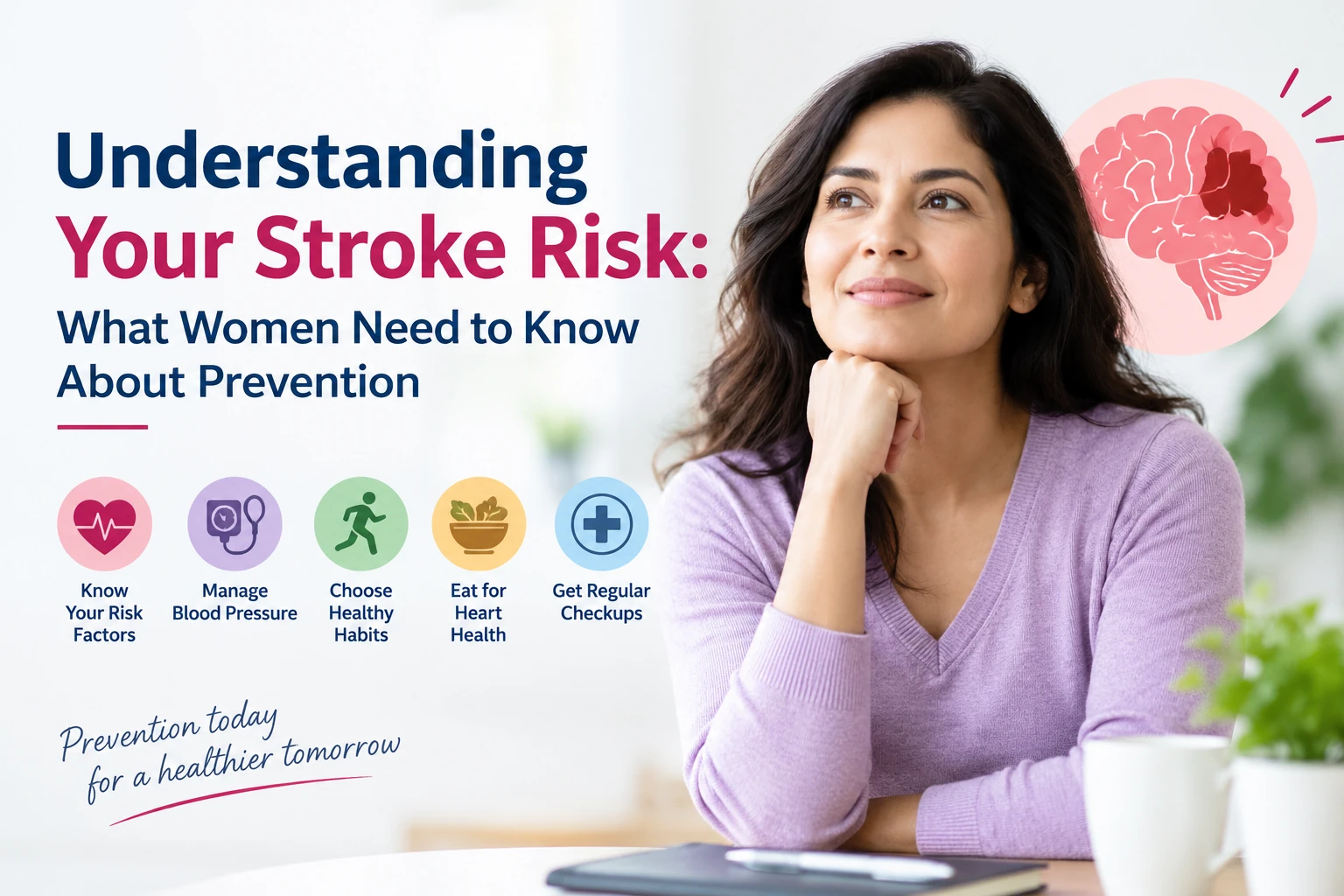
Understanding Your Stroke Risk: What Women Need to Know About Prevention

Stroke remains one of the leading causes of death and long-term disability among women worldwide, yet many remain unaware of their personal risk factors or the preventive measures that could save their lives. While heart disease often dominates health conversations, stroke deserves equal attention, particularly as women face unique risk factors that men do not encounter. Understanding these risks and taking proactive steps can significantly reduce the likelihood of experiencing a stroke.
Why Women Face Different Stroke Risks
Women experience stroke differently than men, both in terms of risk factors and outcomes. Hormonal changes throughout a woman’s life, from pregnancy through menopause, influence stroke risk in ways that require specific attention. Pregnancy-related conditions such as preeclampsia and gestational diabetes elevate stroke risk both during pregnancy and in the decades that follow. Oral contraceptives, particularly when combined with smoking or migraines with aura, can further increase risk.
Menopause brings its own considerations. The decline in oestrogen levels that occurs naturally during this transition affects blood vessel health and can contribute to increased blood pressure and changes in cholesterol levels. Women who experience early menopause, whether naturally or surgically, face an even higher risk. Additionally, women are more likely than men to experience atypical stroke symptoms, which can delay recognition and treatment, ultimately affecting recovery outcomes.
The Connection Between Overall Health and Stroke Prevention
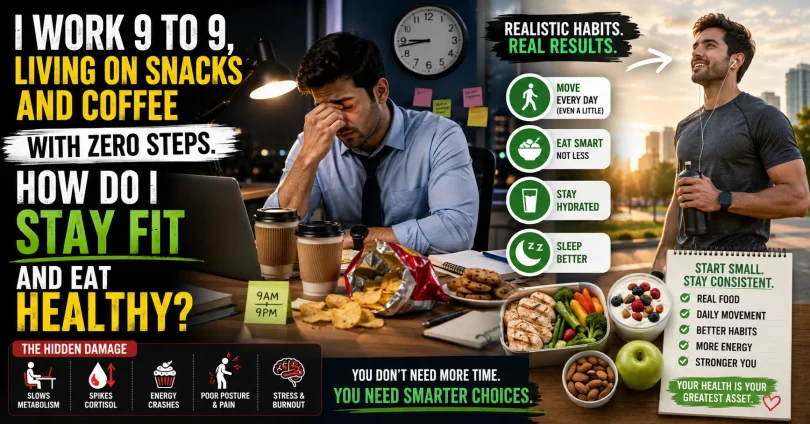
Maintaining overall physical fitness plays a crucial role in stroke prevention, as regular exercise helps control multiple risk factors simultaneously. Cardiovascular fitness reduces blood pressure, improves cholesterol profiles, helps maintain healthy weight, and enhances blood vessel function. For women wondering about their baseline fitness level and how to check body fitness, establishing a starting point allows for realistic goal-setting and measurable progress over time.
Beyond general fitness, specific types of exercise offer particular benefits for stroke prevention. Aerobic activities such as brisk walking, swimming, or cycling strengthen the heart and improve circulation. Resistance training helps maintain muscle mass and metabolic health, which becomes increasingly important as women age. Even moderate-intensity activity, when performed consistently, provides substantial protection against stroke.
Key Medical Screenings and Health Monitoring
Regular health screenings form the foundation of stroke prevention by identifying risk factors before they cause harm. Blood pressure monitoring stands as perhaps the most critical screening, as hypertension represents the single largest modifiable risk factor for stroke. Women should have their blood pressure checked at least annually, and more frequently if readings are elevated or if they have other risk factors.
Cholesterol testing helps identify lipid imbalances that contribute to arterial plaque formation. While guidelines traditionally recommended routine screening starting at age 45 for women, current thinking suggests earlier screening for those with family history or other risk factors. Diabetes screening also warrants attention, as elevated blood glucose damages blood vessels over time and significantly increases stroke risk.
For women with a family history of stroke or cardiovascular disease, additional testing may prove valuable. Carotid artery ultrasound can detect narrowing in the major arteries supplying the brain, while atrial fibrillation screening identifies an irregular heartbeat that dramatically increases stroke risk. Women experiencing migraines with aura should discuss their specific risk profile with a healthcare provider, as this combination requires careful management.
The Broader Picture of Preventive Health
Stroke prevention does not exist in isolation but forms part of a comprehensive approach to health. The same screenings and lifestyle modifications that reduce stroke risk also protect against other serious conditions. Regular breast cancer screening, for instance, represents another essential component of women’s preventive health. Research indicates that risk-based breast screenings prove as effective as annual mammograms for many women, suggesting that personalised screening schedules based on individual risk factors may offer optimal protection while reducing unnecessary procedures.
This integrated approach to health screening reflects a growing understanding that chronic diseases often share common risk factors and prevention strategies. Maintaining healthy weight, eating a balanced diet rich in fruits and vegetables, limiting alcohol consumption, and avoiding tobacco use all contribute to reduced risk across multiple conditions. Sleep quality, stress management, and mental health also play supporting roles in overall cardiovascular health and stroke prevention.
Practical Steps for Stroke Prevention
Taking action to prevent stroke begins with understanding personal risk factors and addressing them systematically. Women should start by scheduling a comprehensive health assessment that includes blood pressure, cholesterol, and blood glucose testing. This baseline information guides subsequent prevention efforts and helps prioritise which risk factors require immediate attention.
For those seeking evidence-based guidance on reducing stroke risk, resources such as how to prevent stroke provide practical strategies backed by medical research. These approaches typically emphasise controlling blood pressure, maintaining healthy cholesterol levels, managing diabetes if present, and adopting lifestyle modifications that support vascular health. Implementing even a few of these recommendations can substantially reduce stroke risk over time.
Diet deserves particular attention, as nutritional choices directly influence multiple stroke risk factors. The Mediterranean diet pattern, rich in olive oil, fish, nuts, whole grains, and vegetables, has demonstrated protective effects against stroke in numerous studies. Reducing sodium intake helps control blood pressure, while limiting saturated fats and trans fats improves cholesterol profiles. For many women, dietary changes alone can produce meaningful improvements in cardiovascular health markers.
Recognising Warning Signs and Acting Quickly
Despite best prevention efforts, recognising stroke symptoms and seeking immediate treatment remains crucial. Women should familiarise themselves with the classic signs: sudden numbness or weakness in the face, arm, or leg, especially on one side of the body; sudden confusion or trouble speaking; sudden vision problems; sudden difficulty walking or loss of balance; and sudden severe headache with no known cause.
Women may also experience symptoms less commonly seen in men, including sudden face and limb pain, sudden hiccups, sudden nausea, sudden general weakness, and sudden chest pain or palpitations. Any of these symptoms warrant immediate emergency attention. Time lost is brain lost, and treatments work best when administered within the first few hours of symptom onset.
Building a Long-Term Prevention Strategy
Effective stroke prevention requires sustained commitment rather than short-term fixes. Women should view preventive health as an ongoing process that evolves with age and changing circumstances. Regular follow-up appointments allow healthcare providers to monitor risk factors, adjust medications if needed, and provide guidance as new research emerges.
Building a support system enhances success with prevention efforts. Whether through family members, friends, or structured programmes, having accountability and encouragement makes it easier to maintain healthy habits. Many women find that group exercise classes, cooking clubs focused on heart-healthy meals, or stress management programmes provide both practical benefits and social connection that supports long-term adherence to prevention strategies.
Ultimately, stroke prevention empowers women to take control of their health trajectories. While some risk factors cannot be changed, many can be modified through consistent attention to lifestyle, regular medical care, and prompt treatment of conditions that increase risk. By understanding personal risk factors and taking proactive steps to address them, women can significantly reduce their likelihood of experiencing a stroke and improve their overall health and quality of life for years to come.