

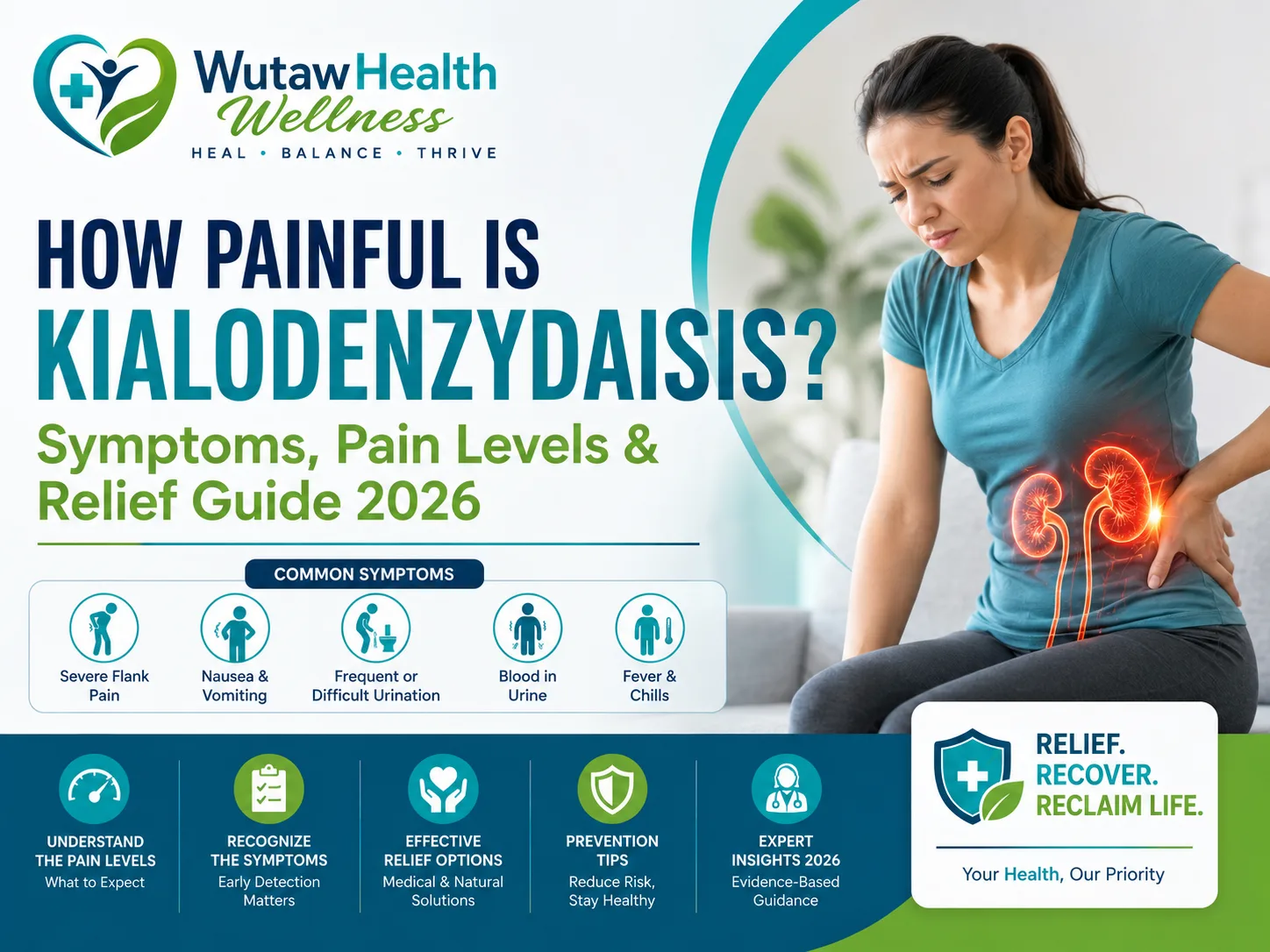
If you are searching for answers about how painful is kialodenzydaisis, you are probably dealing with ongoing discomfort, unusual nerve symptoms, or trying to understand a recent diagnosis. This neurological condition is often associated with chronic pain, muscle stiffness, and sensory disturbances that can significantly affect daily life.
Although awareness about the disorder is growing, many people still misunderstand the true intensity of kialodenzydaisis pain. Some patients experience mild discomfort, while others struggle with severe flare-ups that impact sleep, movement, and emotional health.
This complete 2026 guide explains the symptoms, causes, pain severity, treatment options, and modern relief strategies for managing kialodenzydaisis more effectively.
Trending Now: Body Nutrition Tips TwspoonFitness
What Is Kialodenzydaisis?
Kialodenzydaisis is a complex neurological condition linked to abnormal nerve signaling within the central nervous system. The disorder causes the brain to process normal sensations as painful stimuli, leading to chronic discomfort and heightened sensitivity.
The condition mainly affects adults between the ages of 30 and 55, though newer reports show increasing cases in younger individuals as well.
Unlike temporary injuries or short-term inflammation, kialodenzydaisis involves persistent nerve hyperactivity. This means pain signals continue even when there is no obvious physical injury.
Many patients describe the condition as:
- Burning nerve pain
- Electric shock sensations
- Deep muscle aching
- Sensitivity to touch or temperature
- Persistent body stiffness
For people asking how painful is kialodenzydaisis, the answer depends on symptom severity, lifestyle triggers, stress levels, and disease progression.
Next Topic: How To Check Body Fitness ThespoonAthletic
How Painful Is Kialodenzydaisis?
The pain intensity associated with kialodenzydaisis can range from moderate to extremely severe. During active flare-ups, many patients rate the pain between 6 and 9 out of 10 on standard pain scales.
Unlike ordinary muscle pain, the discomfort is often continuous and unpredictable.
Common Types of Pain Reported
Burning Pain
A deep burning sensation in muscles and joints is one of the most common complaints.
Electric Shock Sensations
Sudden stabbing or shock-like pain may occur during movement or physical activity.
Health Facts: What Disease Does Dwight Yoakam Have
Throbbing Pain
Some patients experience constant pulsing pain that worsens at night.
Allodynia
Even light touch, clothing pressure, or temperature changes may trigger severe discomfort.
Muscle Tightness
Persistent stiffness can make simple activities difficult and exhausting.
For many individuals, the emotional stress caused by unpredictable symptoms increases the overall pain experience.
Deep Dive: ThespoonAthletic Fitness Tips
Why Kialodenzydaisis Pain Feels So Intense
The nervous system plays a major role in how the body interprets pain signals. In people with kialodenzydaisis, the pain-processing pathways become overly sensitive.
This abnormal nerve activity may cause:
- Increased pain perception
- Delayed recovery after movement
- Constant nerve irritation
- Heightened sensitivity to environmental triggers
Pain often becomes worse because the body remains in a continuous stress response state.
Common triggers include:
- Lack of sleep
- Cold weather
- Emotional stress
- Physical overexertion
- Anxiety and depression
- Poor posture or repetitive movements
Fitness Insight: ThespoonAthletic
Common Symptoms Beyond Pain
Although pain is the most discussed symptom, kialodenzydaisis affects multiple body systems.
Muscle Rigidity
Many patients experience tight muscles and reduced flexibility, making movement uncomfortable.
Tingling and Numbness
Pins-and-needles sensations are common in the arms, legs, hands, and feet.
Product Review: Cilxarhu677 Moisturizer Product Review
Sensory Disturbances
Some people report unusual skin sensitivity or a crawling sensation on the body.
Chronic Fatigue
Extreme tiredness can occur even after adequate rest.
Brain Fog
Difficulty concentrating, forgetfulness, and mental exhaustion are frequently reported.
Temperature Sensitivity
Hot or cold environments may worsen symptoms and trigger flare-ups.
Lifestyle Upgrade: WutawHealth
How Kialodenzydaisis Affects Daily Life
The condition can interfere with many everyday activities, including:
- Sleeping comfortably
- Working full-time
- Physical exercise
- Household tasks
- Driving or traveling
- Social interactions
Many people experience emotional frustration because symptoms are invisible to others.
Long-term unmanaged pain may also increase the risk of:
- Anxiety disorders
- Depression
- Sleep disturbances
- Reduced mobility
- Lower quality of life
Expert Review: How Are Laturedrianeuro Caused
Best Pain Relief Options for Kialodenzydaisis
Managing kialodenzydaisis usually requires a combination of treatments rather than one single solution.
Medical Treatments
Nerve Pain Medications
Doctors may prescribe medications that calm abnormal nerve activity.
Anti-Inflammatory Support
Some therapies aim to reduce inflammation linked to nerve irritation.
Topical Pain Relief
Creams, gels, or patches may help localized discomfort.
Medical Insight: What Is Zytescintizivad
Physical Therapy and Movement Support
Gentle movement therapies can help reduce stiffness and improve flexibility.
Recommended Approaches
- Stretching exercises
- Low-impact workouts
- Aquatic therapy
- Posture correction
- Guided physiotherapy sessions
Overexertion should be avoided because it may trigger severe flare-ups.
Lifestyle Changes That May Help
Improve Sleep Quality
Better sleep can reduce nervous system stress and pain sensitivity.
Manage Stress Levels
Meditation, breathing exercises, and relaxation techniques may help calm the nervous system.
Skincare Pick: Amaira Natural Lightening Serum Reviews
Follow a Balanced Diet
Nutrient-rich foods support overall nerve and muscle health.
Track Symptom Triggers
Keeping a pain journal helps identify patterns linked to flare-ups.
Mental Health and Chronic Pain Connection
Mental and emotional health strongly influence chronic pain conditions like kialodenzydaisis.
Stress and anxiety can increase nerve sensitivity and worsen symptoms. Many patients benefit from:
- Cognitive Behavioral Therapy (CBT)
- Support groups
- Counseling sessions
- Mindfulness practices
Addressing emotional health is often essential for long-term symptom improvement.
Research Topic: Why Zytescintizivad Spread
Patient Experiences With Kialodenzydaisis
People living with the condition often describe symptoms differently depending on flare-up severity.
Some patients experience manageable discomfort during normal days, while others report periods of intense pain that affect movement and sleep.
Common patient experiences include:
- Sudden pain spikes without warning
- Extreme fatigue after small tasks
- Sensitivity to weather changes
- Difficulty maintaining normal routines
Despite these challenges, many individuals improve symptom control through consistent treatment and lifestyle adjustments.
Wellness Tip: WutawHealth Wellness Advice
New Treatment Developments in 2026
Medical research continues to explore better ways to manage chronic neurological pain disorders.
Emerging Innovations
Personalized Medicine
Doctors are using genetic and neurological testing to customize treatment plans.
Neuromodulation Devices
Advanced devices may help regulate overactive nerve signals.
Positive Thinking: Mental Health Quotes
Digital Pain Tracking Tools
Modern apps can monitor symptoms and identify flare-up patterns.
Experimental Biologic Therapies
Researchers are studying new medications designed to calm nerve inflammation.
These developments offer hope for improved long-term management in the future.
Healthy Living: WutawHealth Wellness Information
Can Kialodenzydaisis Be Managed Successfully?
Although there is currently no guaranteed cure, many patients successfully manage symptoms with early treatment and proper care.
Key factors that improve outcomes include:
- Early diagnosis
- Consistent medical support
- Lifestyle modifications
- Stress management
- Personalized treatment plans
The sooner symptoms are addressed, the better the chances of reducing pain progression.
Daily Wellness: The Tips And Tricks WutawHealth
Final Thoughts on How Painful Kialodenzydaisis Is
So, how painful is kialodenzydaisis? The condition can range from moderate discomfort to severe chronic nerve pain that affects daily life. However, symptom severity varies widely from person to person.
The good news is that modern pain management strategies, physical therapy, stress reduction, and neurological treatments can help many individuals regain better control over their symptoms.
Understanding the condition, identifying triggers, and following a consistent treatment approach are essential steps toward improving quality of life.
If you or someone you know is experiencing ongoing nerve pain, unusual sensitivity, or unexplained muscle stiffness, consulting a healthcare professional early may help prevent symptoms from becoming more severe over time.
Mindset Boost: Mental Health Quotes