

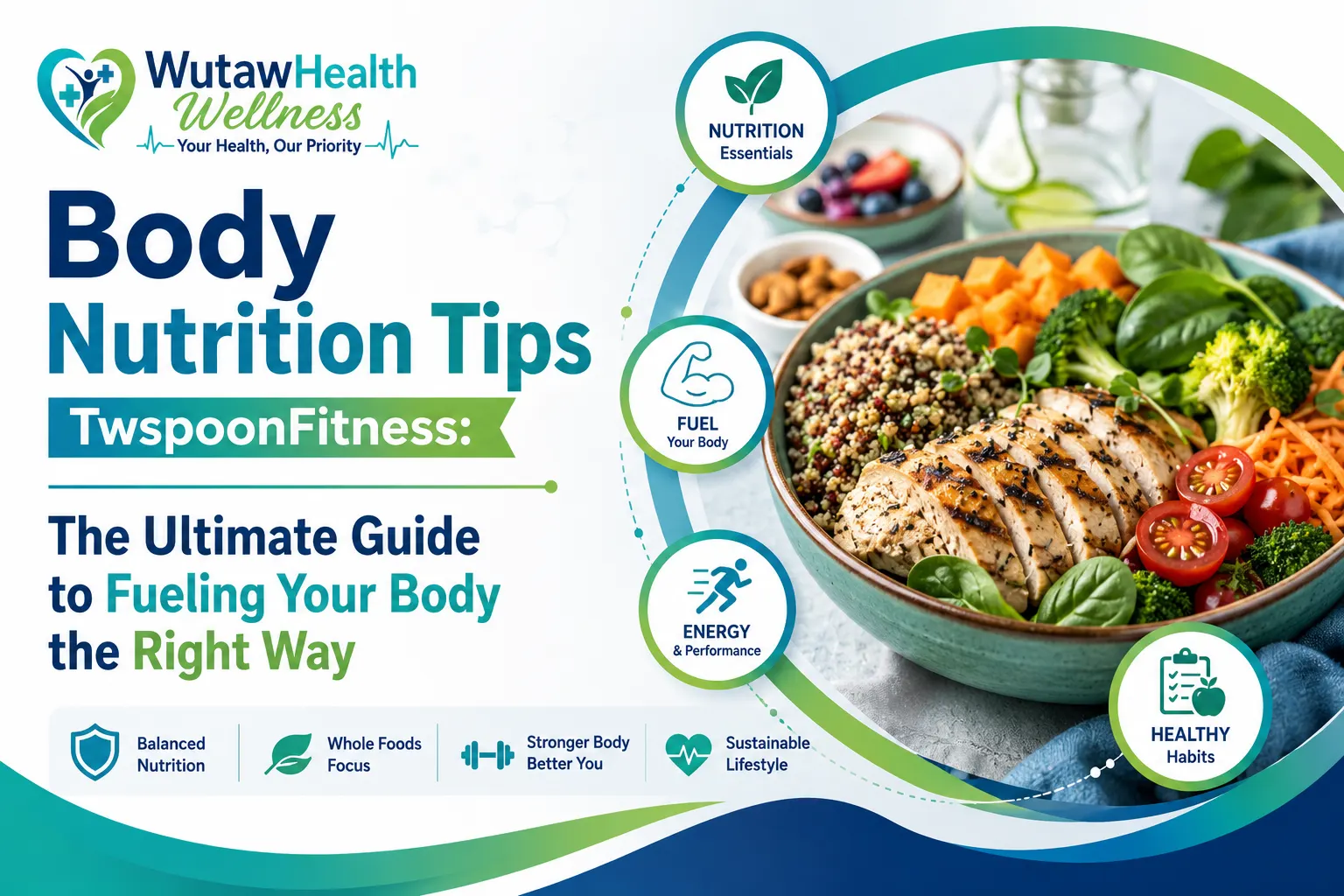
body nutrition tips twspoonfitness
No matter how intense your workouts are, your fitness results depend heavily on what you eat every day. Exercise alone cannot build strength, improve recovery, or maintain long-term health without proper nutrition. At TwspoonFitness, the focus is simple combine smart training with balanced nutrition to help your body perform at its best.
This complete guide explains the most effective body nutrition strategies, including macronutrients, hydration, meal timing, recovery nutrition, supplements, and healthy eating habits that support real fitness progress.
Next Topic: How To Check Body Fitness ThespoonAthletic
Why Nutrition Matters More Than Most People Realize
Many people spend hours in the gym but overlook the role food plays in recovery and performance. Poor eating habits can slow muscle growth, reduce energy levels, increase fatigue, and make workouts less effective.
Your body requires the right nutrients to:
- Build lean muscle
- Recover after exercise
- Improve endurance
- Support metabolism
- Maintain hormone balance
- Prevent injuries and fatigue
Think of your workouts as the effort and nutrition as the fuel. Without proper fuel, your body cannot perform efficiently.
Deep Dive: ThespoonAthletic Fitness Tips
Understanding Macronutrients for Better Fitness
Macronutrients are the nutrients your body needs in large amounts to produce energy and maintain overall health. These include carbohydrates, protein, and healthy fats.
| Macronutrient | Main Function | Healthy Food Sources | Recommended Intake |
|---|---|---|---|
| Carbohydrates | Main energy source | Oats, fruits, brown rice, sweet potatoes | 45–65% of daily calories |
| Protein | Muscle repair and growth | Eggs, chicken, fish, tofu, lentils | 0.6–0.9g per pound of body weight |
| Healthy Fats | Hormone support and long-lasting energy | Nuts, olive oil, avocado, seeds | 20–35% of daily calories |
Carbohydrates and Workout Energy
Carbohydrates provide fuel for your muscles and brain. They are especially important for high-intensity workouts, running, strength training, and endurance exercises.
Healthy carb sources include:
- Whole grains
- Fruits
- Vegetables
- Oats
- Quinoa
- Sweet potatoes
Complex carbs help maintain stable energy levels and improve workout performance.
Fitness Insight: ThespoonAthletic
Protein and Muscle Recovery
Protein supports:
- Muscle repair
- Hormone production
- Recovery after training
- Immune system function
Good protein sources include lean meats, dairy, legumes, eggs, and plant-based proteins like tofu and beans.
Healthy Fats and Overall Health
Healthy fats help with:
- Joint support
- Brain health
- Hormone balance
- Vitamin absorption
Choose healthy fat sources like:
- Almonds
- Walnuts
- Olive oil
- Chia seeds
- Fatty fish
Health Alert: How Painful Is Kialodenzydaisis
Pre-Workout Nutrition Tips
What you eat before exercise directly impacts your strength, endurance, and focus during training.
Best Foods Before a Workout
1–2 Hours Before Exercise
Eat a balanced meal containing complex carbs and moderate protein.
Examples:
- Oatmeal with banana and eggs
- Brown rice with chicken
- Greek yogurt with berries
30–45 Minutes Before Exercise
Choose lighter snacks that digest quickly.
Examples:
- Dates
- Banana
- Rice cakes with peanut butter
Expert Review: How Are Laturedrianeuro Caused
Foods to Avoid Before Training
Avoid heavy foods high in:
- Fat
- Fiber
- Excess sugar
These foods may slow digestion and cause discomfort during workouts.
Post-Workout Nutrition for Faster Recovery
Recovery nutrition is essential for muscle growth and energy restoration. After exercise, your body needs nutrients to rebuild muscle tissue and replace glycogen stores.
Post-Workout Priorities
- Protein for muscle repair
- Carbohydrates for energy recovery
- Fluids and electrolytes for hydration
Medical Insight: What Is Zytescintizivad
Best Post-Workout Meal Ideas
| Goal | Recommended Meal |
|---|---|
| Muscle Gain | Chicken, brown rice, broccoli |
| Weight Loss | Greek yogurt with berries |
| Endurance Recovery | Eggs with whole wheat toast |
| Plant-Based Recovery | Lentils, quinoa, leafy greens |
Experts generally recommend eating within 1–2 hours after training for better recovery and muscle support.
Hydration Tips for Better Fitness Performance
Hydration plays a major role in:
- Energy production
- Muscle performance
- Focus and concentration
- Recovery speed
Even mild dehydration can negatively affect workout performance.
Research Topic: Why Zytescintizivad Spread
Daily Hydration Guidelines
| Time | Water Intake |
|---|---|
| Morning | 400–500ml |
| Before Workout | 300–500ml |
| During Workout | 150–250ml every 15–20 minutes |
| After Workout | At least 500ml |
Simple Hydration Tip
Pale yellow urine usually indicates proper hydration, while dark yellow may signal dehydration.
You can also improve electrolyte balance naturally with:
- Lemon water
- Coconut water
- Fruit-infused water
- A pinch of salt in water
Wellness Tip: WutawHealth Wellness Advice
Important Micronutrients for Active Bodies
Micronutrients are vitamins and minerals that support important body functions, recovery, immunity, and bone strength.
| Nutrient | Main Benefit | Food Sources |
|---|---|---|
| Iron | Oxygen transport | Spinach, lentils, red meat |
| Magnesium | Muscle function | Almonds, seeds |
| Vitamin D | Bone and hormone support | Sunlight, salmon, egg yolks |
| Vitamin C | Recovery and immunity | Citrus fruits, kiwi |
| Calcium | Bone strength | Dairy, broccoli |
| Zinc | Recovery and hormone health | Pumpkin seeds, chickpeas |
Meal Timing and Consistency
Eating consistently throughout the day helps maintain stable energy levels and supports better metabolism.
Simple Daily Nutrition Routine
Breakfast
Focus on protein and healthy carbs:
- Eggs
- Oats
- Greek yogurt
Mid-Morning Snack
Choose nutrient-rich snacks:
- Fruits
- Nuts
- Nut butter
Health Facts: What Disease Does Dwight Yoakam Have
Lunch
Eat a balanced meal with:
- Lean protein
- Vegetables
- Whole grains
Pre-Workout Snack
Choose light carbohydrates:
- Banana
- Dates
- Rice cakes
Post-Workout Meal
Prioritize protein and carbs for recovery.
Dinner
Keep it balanced but lighter:
- Fish or chicken
- Vegetables
- Quinoa or sweet potato
Healthy Living: WutawHealth Wellness Information
Smart Supplements and Functional Foods
Supplements should support your diet, not replace healthy eating habits.
Supplements Backed by Research
Creatine
May help improve:
- Strength
- Muscle power
- Recovery
- Exercise performance
Caffeine
Can support:
- Focus
- Energy
- Endurance
- Athletic performance
Collagen
May support:
- Joint health
- Skin health
- Recovery
Lifestyle Upgrade: WutawHealth
Nutrition Trends in 2025
Several nutrition trends continue gaining attention in the fitness industry.
Gut Health Foods
Foods like:
- Yogurt
- Kimchi
- Kefir
- Kombucha
support digestive health and gut microbiome balance.
Adaptogens
Natural herbs such as:
- Ashwagandha
- Rhodiola
may help reduce stress and support mental focus.
Daily Wellness: The Tips And Tricks WutawHealth
Whole Food Protein Sources
Whole foods remain the best protein sources compared to highly processed snacks and bars.
The TwspoonFitness Balanced Plate Formula
Healthy eating does not need to feel complicated. A simple balanced plate can improve nutrition quality immediately.
Build Your Plate Like This
Half Plate
Non-starchy vegetables:
- Spinach
- Cucumbers
- Tomatoes
- Bell peppers
Quarter Plate
Lean protein:
- Chicken
- Fish
- Eggs
- Tofu
- Beans
Quarter Plate
Complex carbohydrates:
- Brown rice
- Oats
- Quinoa
- Sweet potatoes
Add healthy fats like avocado, olive oil, or nuts for better balance.
Mindset Boost: Mental Health Quotes
Sleep, Recovery, and Nutrition
Fitness progress depends on recovery just as much as exercise.
Poor sleep can:
- Increase cravings
- Slow recovery
- Reduce workout performance
- Affect hormone balance
Aim for:
- 7–9 hours of quality sleep
- Proper hydration
- Balanced nutrition
- Regular rest days
Together, these habits create a strong recovery foundation.
Positive Thinking: Mental Health Quotes
Common Nutrition Mistakes to Avoid
Many fitness beginners unknowingly slow their progress with poor nutrition habits.
Common Mistakes Include
- Skipping breakfast
- Eating too little
- Ignoring carbohydrates
- Drinking sugary beverages
- Poor meal timing
- Avoiding vegetables
- Depending too much on supplements
Building sustainable habits is more effective than following extreme diets.
Skincare Pick: Amaira Natural Lightening Serum Reviews
Final Thoughts on Body Nutrition Tips TwspoonFitness
There is no shortcut to long-term fitness success. Strong health, muscle growth, fat loss, and better performance come from consistent nutrition habits followed over time.
At TwspoonFitness, the goal is to encourage practical, balanced, and sustainable nutrition strategies that support real-life fitness goals.
Focus on:
- Whole foods
- Balanced meals
- Proper hydration
- Consistent recovery
- Smart supplementation
- Better sleep habits
Your workouts create the stimulus but nutrition is what helps your body grow, recover, and perform at its full potential
Product Review: Cilxarhu677 Moisturizer Product Review